
Download iTunes Crack for Mac 12.8.3 Latest Version
Download iTunes Crack for Mac to enjoy seamless music management, device syncing, media playback, and improved stability.
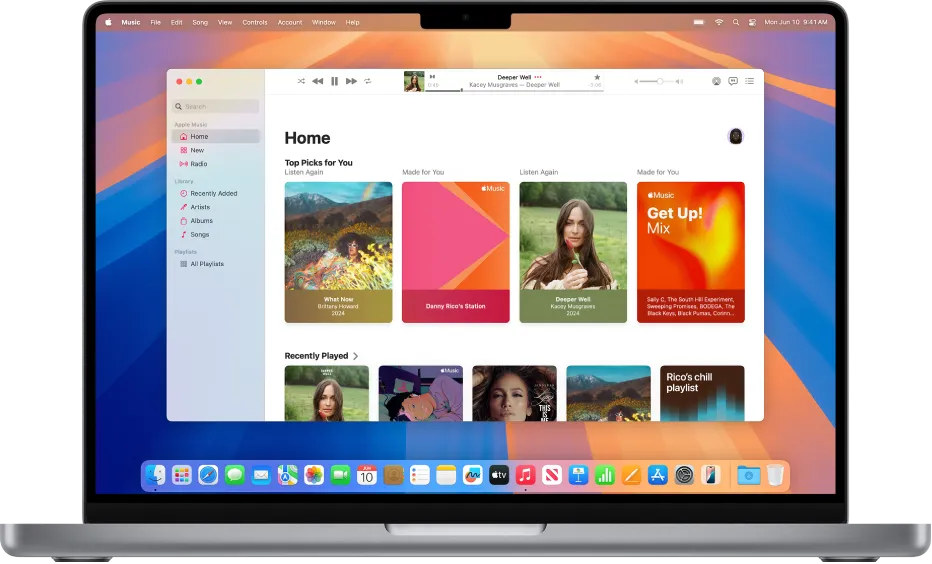
Hey there, fellow music lover—whether you’re a casual listener blasting indie tracks during your morning commute or a hardcore gamer syncing epic soundtracks to fuel those late-night sessions in your favorite RPGs, iTunes for Mac has long been the go-to hub for all things audio and media on Apple’s ecosystem. Launched back in 2001 by Apple Inc., iTunes revolutionized how we discover, organize, and enjoy music, podcasts, movies, and more. It’s not just software; it’s a digital jukebox that syncs your entire world of entertainment across devices like your iPhone, iPad, and Mac.
But let’s be real, iTunes for Mac isn’t the shiny new toy it once was. With macOS Catalina (10.15) and later versions like Sequoia, Apple bid farewell to the full iTunes app, splitting its powers into dedicated apps: Apple Music for tunes, Podcasts for episodes, Apple TV for shows, and Books for reads. For syncing devices, it’s all handled in Finder now. That said, if you’re rocking an older Mac on macOS Mojave (10.14) or earlier, or need legacy support for massive libraries and iPod classics, downloading iTunes for Mac is still a smart move. It’s perfect for gamers who want to curate playlists of chiptune remixes or orchestral scores without the bloat of modern apps.
Why does this matter for you? Imagine queuing up a custom playlist of boss-fight anthems right before diving into a raid—iTunes makes that effortless with its robust library tools and seamless iTunes Store integration. Even on newer systems, understanding iTunes’ legacy paves the way for smoother transitions to Apple Music. In this guide, we’ll dive deep into what iTunes for Mac offers, how to snag that download, and pro tips to level up your setup. Whether you’re troubleshooting a stubborn sync or hunting for hidden gems in the iTunes Store, we’ve got you covered. Stick around, and by the end, you’ll be grooving like a pro.
What is iTunes for Mac?
iTunes for Mac is Apple’s venerable media management software, designed to be your central command center for music, videos, podcasts, and device syncing on Macintosh computers. At its core, it’s a free application from Apple Inc. that lets you build, organize, and play vast libraries of digital content. Think of it as the original Apple Music precursor—handling everything from ripping CDs to browsing the iTunes Store for the latest tracks. For Mac users on older systems like macOS Mojave, it’s indispensable for managing iPhone backups, creating Genius playlists, and streaming via AirPlay.
In essence, iTunes for Mac bridges your physical and digital worlds, making it easy to transfer files between your Mac and iOS devices like the iPhone or iPad. It’s not just about playback; it’s about curation. Gamers, in particular, love how it organizes game OSTs (original soundtracks) into smart folders, ensuring your Zelda remixes or Doom metal playlists are always battle-ready. However, as of macOS Catalina onward, iTunes has evolved—its features live on in split apps, but the classic download remains available for legacy needs.
Key Features of iTunes for Mac
iTunes for Mac packs a punch with features that keep your media game strong, even in 2025’s streaming era. Below, we break down 10 standout ones, each with details to help you maximize your setup. These tools shine for gamers curating immersive audio experiences or anyone building epic libraries.
Comprehensive Music Library Management
Dive into iTunes’ heart: a powerful library that auto-organizes thousands of tracks by artist, album, or genre. Drag-and-drop imports from CDs or downloads, and watch it tag metadata like artwork and lyrics automatically. For gamers, this means sorting chiptune collections effortlessly—searchable, sortable, and scalable for libraries over 100GB without lagging your Mac.
iTunes Store Integration
Browse and buy millions of songs, albums, and exclusives directly in-app. With one-click purchases tied to your Apple ID, discovering new game soundtracks (think Cyberpunk 2077 vibes) is seamless. Curated playlists from Apple Music previews keep recommendations fresh, blending purchases with free tiers for budget-conscious users.
Smart Playlists and Genius Recommendations
Create dynamic playlists that update automatically based on rules—like “tracks over 140 BPM for action games.” Genius scans your library to suggest similar tunes, curating hours of uninterrupted flow. It’s AI before AI was cool, perfect for auto-generating pump-up mixes for Fortnite sessions.
Device Syncing and Backup
Wirelessly or via USB, sync your iPhone or iPad with playlists, apps, and photos. Back up everything from messages to health data—crucial for gamers preserving save files or cloud progress. On supported macOS, it’s your one-stop for iOS management, with encryption options for security.
Podcast and Audiobook Support
Subscribe to episodes from the built-in directory, with auto-downloads and playback speed controls. Gamers dig lore-deep dives into series like “The Official PlayStation Podcast.” Audiobooks get chapter bookmarks, turning commutes into story quests without missing a beat.
Video and Movie Playback
Stream or play HD movies and TV shows from your library or rentals. Supports subtitles, chapters, and AirPlay to Apple TV. For gamers, it’s ideal for bingeing lore videos or cutscenes in full 4K, with mini-player mode to multitask during loads.
AirPlay Wireless Streaming
Beam audio or video to compatible speakers, TVs, or other Macs without cables. Multi-room audio syncs parties or solo sessions—imagine streaming a racing game’s soundtrack to home theater speakers mid-lap.
Equalizer and Sound Enhancement
Built-in 10-band EQ presets (e.g., “Rock” for gritty guitars) tweak audio for headphones or speakers. Crossfade and Sound Check normalize volumes, ensuring smooth transitions in marathon playlists—no jarring jumps during boss fights.
Import and Conversion Tools
Rip CDs in formats like AAC or MP3, convert files for compatibility, and edit ID3 tags. Batch processing handles bulk imports, saving time for users migrating old vinyl rips to digital for nostalgic gaming setups.
These features make iTunes for Mac a timeless tool, clocking in at efficient performance even on older hardware.
How to Download iTunes for Mac?
Ready to grab iTunes for Mac Crack? Note: If you’re on macOS Catalina or later, head to Apple Music instead—but for legacy support on Mojave or earlier, follow this step-by-step guide. It’s quick and official.
- Check Your macOS Version: Go to Apple Menu > About This Mac. Ensure you’re on macOS 10.14 (Mojave) or earlier; newer versions don’t support full iTunes installs.
- Visit Apple Support: Open Safari and head to support.apple.com/downloads/itunes. Search for “iTunes 12.8.3 for Mac” (the latest legacy version as of 2025).
- Select the Download: Click the .dmg file link for your architecture (Intel or older PowerPC if applicable). It’s about 300MB—use a stable Wi-Fi connection.
- Run the Installer: Once downloaded, double-click the .dmg in your Downloads folder. Drag the iTunes icon to your Applications folder.
- Launch and Update: Open iTunes from Applications. Sign in with your Apple ID, and let it check for minor updates via the app’s menu (iTunes > Check for Updates).
- Verify Installation: Play a sample track or connect a device to test syncing. If issues arise, restart your Mac.
System Requirements
Before diving in, confirm your Mac meets these specs for smooth sailing with iTunes 12.8.3. Here’s a handy table:
| Requirements | Details |
|---|---|
| Operating System | macOS 10.14 Mojave or earlier (not supported on Catalina 10.15+; use Apple Music instead) |
| Processor | Intel Core 2 Duo or faster (2.0GHz+ recommended for HD video) |
| RAM | 512MB minimum; 2GB+ for 1080p playback |
| Storage Space | 400MB free disk space (more for large libraries) |
| Display | 1024×768 resolution or higher; 1280×800+ for optimal viewing |
| Internet | Broadband connection for iTunes Store and downloads |
| Other | Apple ID for purchases; USB port for device syncing |
If your setup falls short, consider upgrading or switching to native macOS apps.
Why Download iTunes for Mac?
In a world dominated by streaming giants, why bother with iTunes for Mac? Simple: it’s the ultimate offline fortress for your media empire. For gamers juggling massive soundtracks from titles like The Legend of Zelda or intense EDM for rhythm games, iTunes offers unmatched control. No subscriptions needed for your owned library—download once, play forever. Syncing with iPhone or iPad keeps your mobile playlists battle-tested, and the iTunes Store’s deep catalog unearths rare gems that Apple Music might overlook. Plus, on eligible older Macs, it’s lightweight, sipping resources so you can game without hiccups.
Beyond basics, iTunes for Mac empowers customization that feels tailor-made for creative souls. Build infinite playlists with Genius smarts, tweak EQ for that perfect bass drop during co-op sessions, and share via AirPlay for immersive setups. Even as Apple evolves, downloading iTunes preserves legacy workflows—like backing up irreplaceable CD rips or managing iPod classics. It’s not just software; it’s reliability in an ad-riddled streaming sea, ensuring your tunes enhance every pixel-pushing adventure.
Tips and Tricks to Use iTunes for Mac
Maximize your iTunes for Mac experience with these gamer-friendly hacks—think of them as power-ups for your audio arsenal.
- Keyboard Shortcuts for Speed: Cmd + L to love a track (boosts Genius recs), Cmd + R for ratings (1-5 stars to refine playlists). Gamers: Map these for quick swaps during streams.
- Hidden Views for Organization: Switch to “Songs” view (Cmd + 2) for grid-free sorting, or enable Column Browser (View > Show View Options) to filter by genre—ideal for culling duplicate game OSTs.
- Batch Editing Mastery: Select multiple files (Cmd + click), right-click > Get Info, and tweak artwork or tags en masse. Pro move: Embed lyrics for karaoke-style sing-alongs to game themes.
- Offline Mode Hacks: Pre-download iTunes Store previews to your library for air-gapped play. Use “Consolidate Files” (File > Library > Organize Library) to bundle everything in one folder—no more lost tracks mid-quest.
- AirPlay Multi-Device Magic: In playback controls, select multiple AirPlay targets for synced audio across rooms. Gamers: Stream walkthrough podcasts to speakers while your Mac handles visuals.
- Troubleshooting Sync Woes: If devices won’t connect, reset via iTunes > Preferences > Devices > Reset Sync History. For space hogs, prune “Recently Added” smart playlist regularly.
- Integration Boost: Link iTunes to third-party apps like Spotify via export plugins for hybrid libraries. Export M3U playlists for use in emulators—seamless crossover for retro gaming.
These tweaks turn iTunes into a lean, mean media machine, saving time and amps up the fun.
FAQs
Conclusion
Wrapping up, iTunes for Mac remains a powerhouse for legacy users craving deep library control, seamless syncing, and iTunes Store magic—perfect for gamers curating soundtracks that elevate every playthrough. From 10 killer features like Genius playlists to easy downloads and pro tips, this guide equips you to rock your setup. If eligible, snag your iTunes Download for Mac today via the button below and dive into uninterrupted vibes. Your epic playlist awaits—hit play and level up!